Local and nimble: getting things done in South Sudan

50 years of experience has taught us that one of the most effective ways to get work done – especially in conflict-affected countries – is to work through local partners. Finding the right partners is key, and helping them to develop and strengthen their own systems is vital.
A painful war
Following a long civil war between the Khartoum government and Southern Sudan, independence was a milestone for the South Sudanese, raising hopes for long-lasting peace and stability, development, and economic growth. But, by early 2014, a fully-fledged conflict had erupted once again in South Sudan, and since then widespread insecurity has caused large scale displacement and hunger.

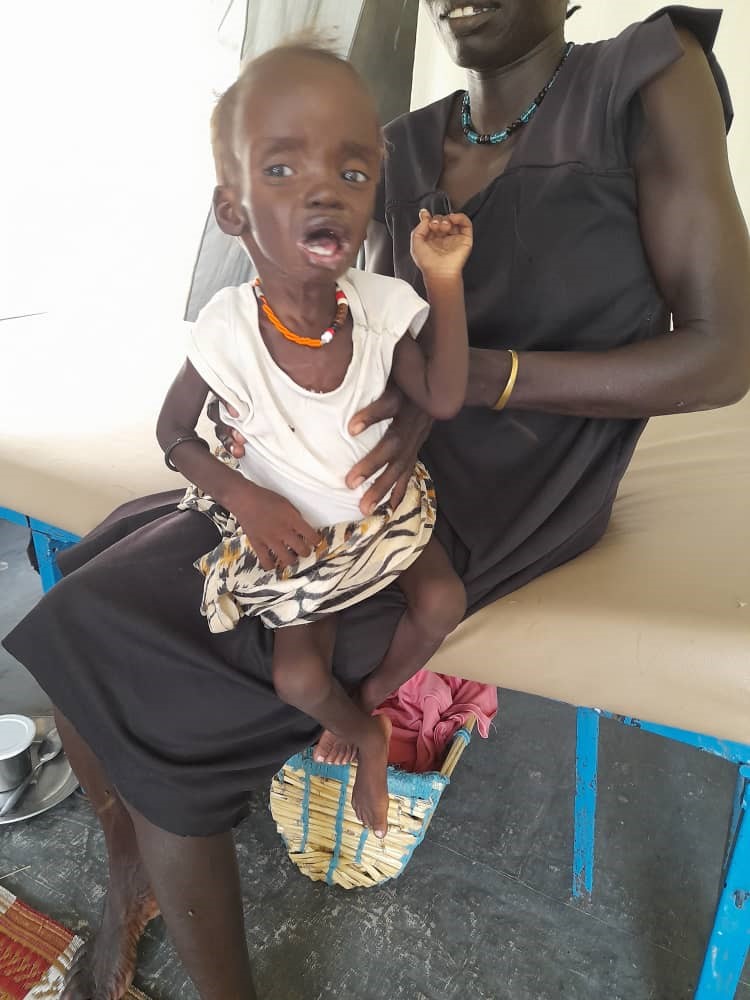
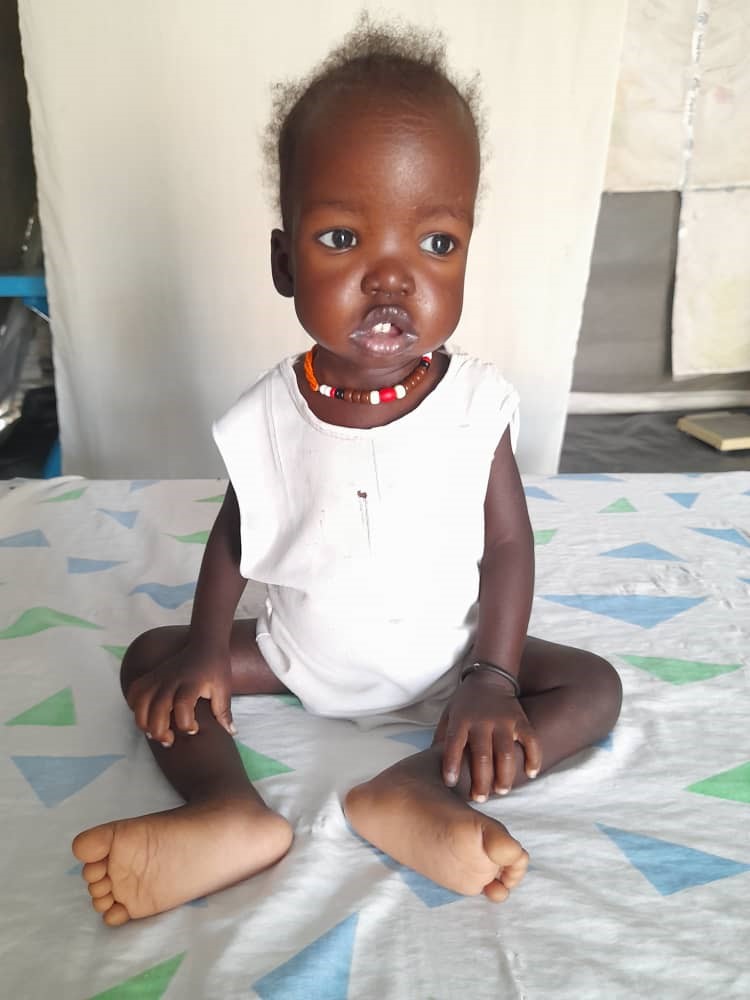
Concern partners with the South Sudanese NGO Nile Hope here, carrying out nutrition programming, providing therapeutic food, and running stabilization centers for malnourished children and pregnant and breastfeeding women. Nile Hope receives financial support and technical assistance, training, and on-the-job coaching for field staff. Concern also supports the organisation to manage its budget, procurement, transportation, staff security, and welfare systems.
Increasing Nile Hope’s capabilities has been crucial, as they are often the only assistance available to communities that routinely suffer from hunger because of the conflict.

Treating the vulnerable
Last year, a famine was declared in two counties of Unity State, and a World Food Programme report showed that across the country nearly 5 million people were at risk of food insecurity.
In Unity State, people living in Leer and Mayendit counties have been subjected to weeks of fighting and unrest that has led many to take refuge in overcrowded swamp and marsh islands. Though the islands are considered reasonably safe as a hideout for locals, they are also disconnected from basic food supplies and medical facilities.

Since 2014, with funding and support from Concern and USAID, and supplies from UNICEF and World Food Programme, Nile Hope has been able to continuously adapt its nutrition programming to ensure that people still receive the emergency and life-saving treatment they need — despite conflict and uncertainty.

In the past six months, Nile Hope has treated 1,382 malnourished children, along with pregnant and lactating women, through feeding programs in four different sites. Concern also supports a stabilization center run by Nile Hope for children with Severe Acute Malnutrition (SAM) and medical complications in Touch Riak. One key part of the program is providing ready-to-use therapeutic food (RUTF) for children.
Despite helping so many people this past year, it has continued to be extremely difficult to provide treatment while a violent conflict continues unabated throughout the country.
Loss of property and therapeutic supplies is common during periods of unrest. In just the past four months alone, four established field bases in Leer were looted and vandalized. One was burned to the ground. Adapting to the violent climate became crucial.

Getting mobile in the face of violence
Nile Hope has shifted their response from semi-permanent nutrition sites to a mobile nutrition approach. This strategy allows staff on the ground to move with (and treat) displaced and local populations, including those taking refuge on the islands. Once in a secure location, staff contact the base on Kok Island, sharing details of their new location, including population estimates and the situation on the ground. From Kok Island, the project manager and supervisors plan how best to allocate resources among the at-risk population.
“This is particularly important, because safety of the available resources must be guaranteed,” says Nile Hope’s Nutrition Officer Nellie Kuong. “Information also needs to be verified to ensure that additional resources are allocated to the most needy.”

But this operation can be dangerous, and comes with its own set of challenges. Communities in need live in areas where there are no road networks, even during the dry season. The river and swamp routes are often filled with tall weeds and grass that is difficult to navigate. Locals regularly resort to wading through the water on foot. There is also the very real threat to life for beneficiaries and staff.
“It is easier to take services to the communities in the islands,” explains James Gatluak, a Nile Hope outpatient therapy staff member in Touch Riak. “Instead of expecting communities to brave the insecurity, it is easier for us as humanitarians to go to them, as we have some form of immunity. In some instances, women have been raped along the way as they move to seek therapeutic services either for themselves, their children, or both.”

Insecurity on the mainland means that stocks must be dropped at undisclosed locations, with local women then carrying the supplies on their heads for long hours. To distribute stocks to the islands, the use of canoes is common. Sometimes it’s necessary to wade through the marshland on foot. On one occasion, 2 tonnes of food had to be delivered in a convoy of 40 to 50 canoes over a period of 3 days.
Despite these obstacles, the results speak for themselves. Preliminary surveys in Leer show that the Global Acute Malnutrition (GAM) rate has dropped from almost 21% of the population to roughly 12%, partly due to the emergency intervention by Nile Hope, Concern, and other humanitarian agencies in Leer.

Remaining committed
With some help, Nile Hope continues to persevere in conditions that many others would find nearly impossible. As Ignatious Mangwiro, Concern’s Nutrition Technical Coordinator / Programme Manager puts it, “Nile Hope has been faced with repeated attacks and looting, displacement of staff, and challenging operational demands, but have chosen to remain committed to serving the community of Leer since 2014.”
“It is difficult to imagine how the community in Leer would have survived the past four years without such services.”